A Night of Learning and Inspiration at the WRWAC March Meeting On Wednesday, March 5, 2025, the Whippany River Watershed Action Committee (WRWAC) hosted its monthly Action Committee meeting at the Morris County Library in Read more
Unity Charter School Students Shine Posted on March 20, 2025 by Webmaster@WRWAC.org On Wednesday, February 5, 2025, the Whippany River Watershed Action Committee (WRWAC) hosted its monthly Action Committee Meeting at the Morris County Library, Read more
Federal grant to de-snag and get the Whippany River flowing again to help alleviate today’s recurring flooding is discussed by Mayor Thomas “Ace” Gallagher and John Ferramosca of Hanover Twp. at the May 1, 2024 Read more
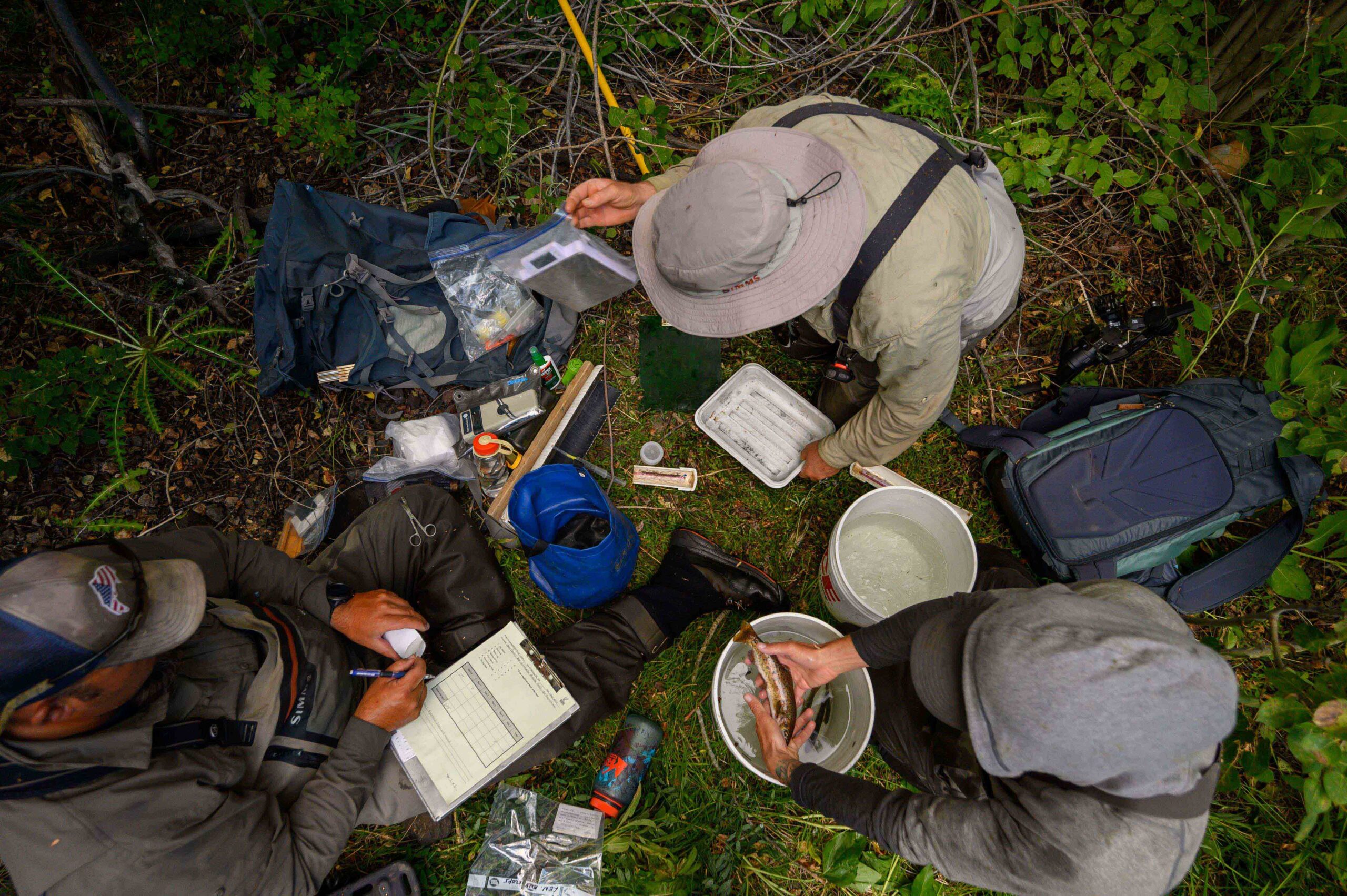
Meet Henry Bayard, Conservation Coordinator of the Hacklebarney Chapter of Trout Unlimited
Rooted in science and developed in collaboration with TU volunteers and trusted partners, our shared Priority Waters are the foundation of a strategic blueprint to protect, restore and reconnect America’s wild and native trout and salmon watersheds.
What are Priority Waters?
They are the 200+ rivers, streams, lakes, and ponds where TU is directing our energies to care for and recover wild and native trout and salmon watersheds. Rooted in science and developed in collaboration with TU volunteers and trusted partners, these shared Priority Waters are the foundation of an ambitious strategic roadmap.
We’re at our best when we pull together and focus.
Add up the numbers — hundreds of experienced staff working in their local communities, hundreds of thousands of supporters, six decades of history, tens of millions of dollars invested annually — and we are having an impact at a national scale.
We’re Getting to Work.
Trout Unlimited has deep experience in the entire suite of conservation tactics, and we’re strategically deploying them on our Priority Waters.
Restoring rivers. Shoring up streambanks. Removing dams. Reconnecting habitat. Keeping water in streams at key times of the year. Defending important trout and salmon habitat. Securing protective designations for coldwater strongholds. Pushing for smarter and more effective management of wild and native populations.
We’re pulling out every stop to protect and recover these waters, these fisheries, and the communities and people who depend on them.
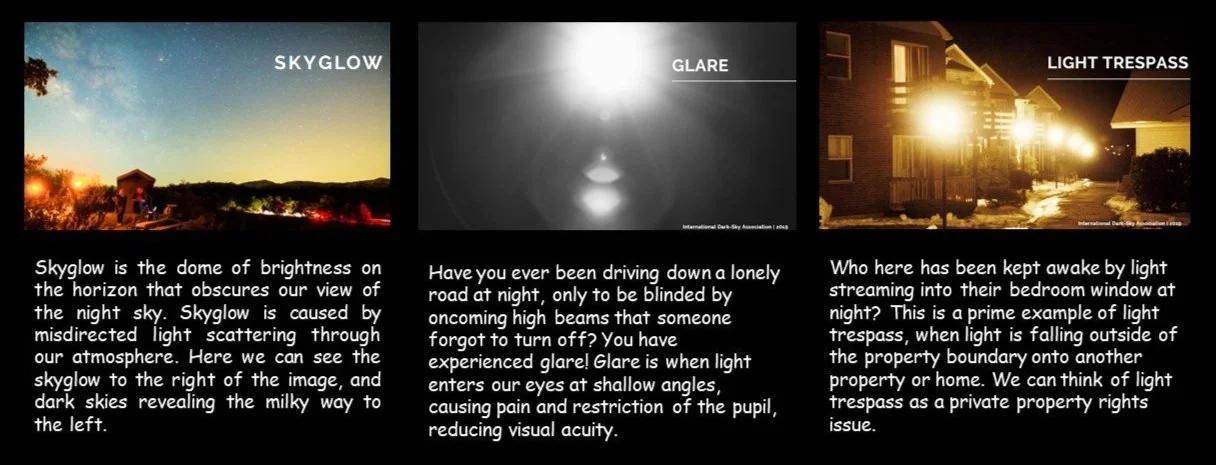
Light pollution is the excessive, misdirected, or obstructive artificial light at night that washes out starlight in the night sky, interferes with astronomical research, disrupts ecosystems, has adverse health effects on both wildlife and humans, and wastes energy and money.
New Jersey is being impacted by widespread light pollution and it continues to grow. It is noticable in all areas: urban, suburban, and even rural areas. Most people can’t go outside and see the night sky as it was meant to be seen.
For us here in Central New Jersey protecting the Barnegat Bay area and beyond is important for the health of the delicate ecosystem we have. The same applies to both North and South Jersey, we are all in it together.
The elimination of lighting is not necessary or desired. What is needed are better solutions for our lighting needs.
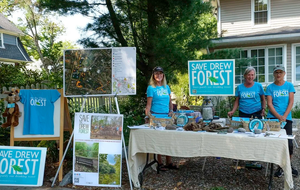
The Friends of the Drew Forest is a volunteer-run 501(c)(3) non-profit organization created by environmental leaders from Madison and neighboring towns, dedicated community volunteers and Drew University alumni.
Our vision is that the Drew Forest Preserve will be permanently protected as open space through a conservation sale that will strengthen Drew University and its financial future. Instead of selling to a developer, we propose a win-win: If Drew works with Madison Borough to sell this special land for full market value to a conservation buyer, Drew could benefit financially while securing the forest for student and public use.
We are dedicated to forming partnerships to:
Facilitate the enjoyment, understanding, and study of nature.
Protect and sustain the Drew Forest Preserve, 53 biodiverse acres that provide countless benefits to Drew University, Madison Borough, and surrounding communities along with critical wildlife habitat;
Raise awareness about the value of forests in aquifer protection, supporting biodiversity, climate resilience, temperature control, air quality, and quality of life;